Most AI companies use advertisements to showcase the benefits of their technology—faster workflows, smarter assistants, and a more productive future. But Anthropic, the company behind Claude AI, has taken a completely different approach.
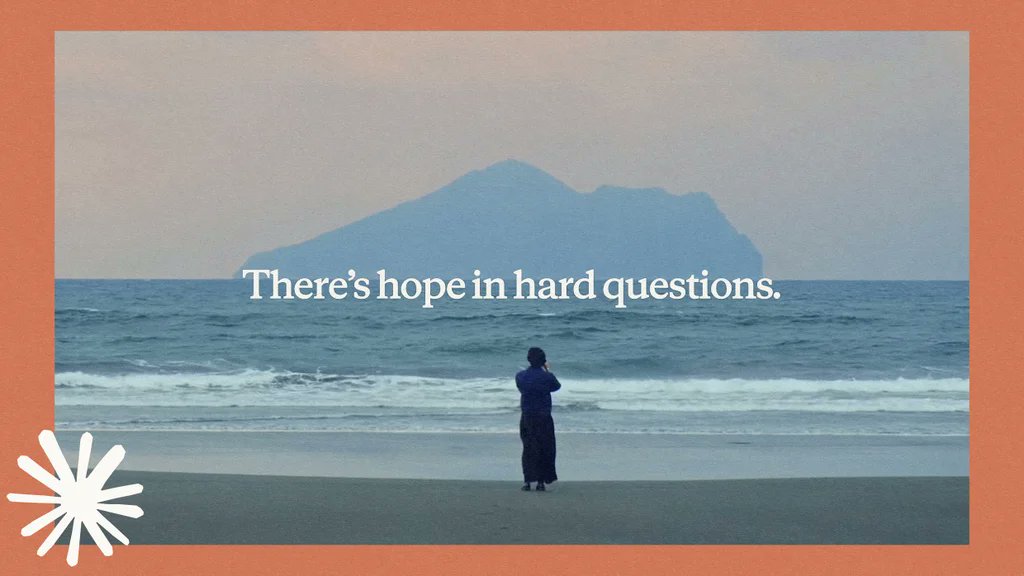
Its latest campaign, “There’s Hope in Hard Questions“ doesn’t focus on new features or product capabilities. Instead, it highlights the concerns many people already have about artificial intelligence.
The ad features dramatic visuals of data centers, laboratories, and unsettling scenes while voices ask difficult questions: Will AI replace jobs? Can it be trusted? What kind of world will future generations inherit? Rather than providing clear answers, the commercial encourages viewers to think about the broader impact of AI on society.
That approach quickly sparked debate online. Many viewers described the advertisement as “creepy,” “dystopian,” and even “disturbing.” Some initially believed it was a parody rather than an official marketing campaign. Critics argued that instead of making AI feel more approachable, the ad amplified existing fears about the technology.
The discussion gained even more attention when OpenAI CEO Sam Altman commented on the campaign, saying, “I thought it was satire.” Although brief, his remark spread widely across social media and fueled further conversation about Anthropic’s marketing strategy.
Not everyone reacted negatively, however. Some praised the commercial for addressing the difficult conversations surrounding AI instead of presenting an overly optimistic vision. Supporters argued that if artificial intelligence is going to reshape society, companies should openly acknowledge people’s concerns rather than avoid them.
The campaign is part of Anthropic’s broader Hard Questions initiative, which gathers public opinions and concerns about AI from people across the United States. According to the company, the advertisement was inspired by those conversations and is intended to encourage thoughtful discussion about the future of artificial intelligence.
Whether people loved it or hated it, the campaign succeeded in one important way—it got people talking. At a time when most AI companies compete to present the brightest possible vision of the future, Anthropic chose to spotlight uncertainty instead. The result is one of the most talked-about AI advertisements of the year, proving that sometimes asking difficult questions can generate more attention than promising easy answers.