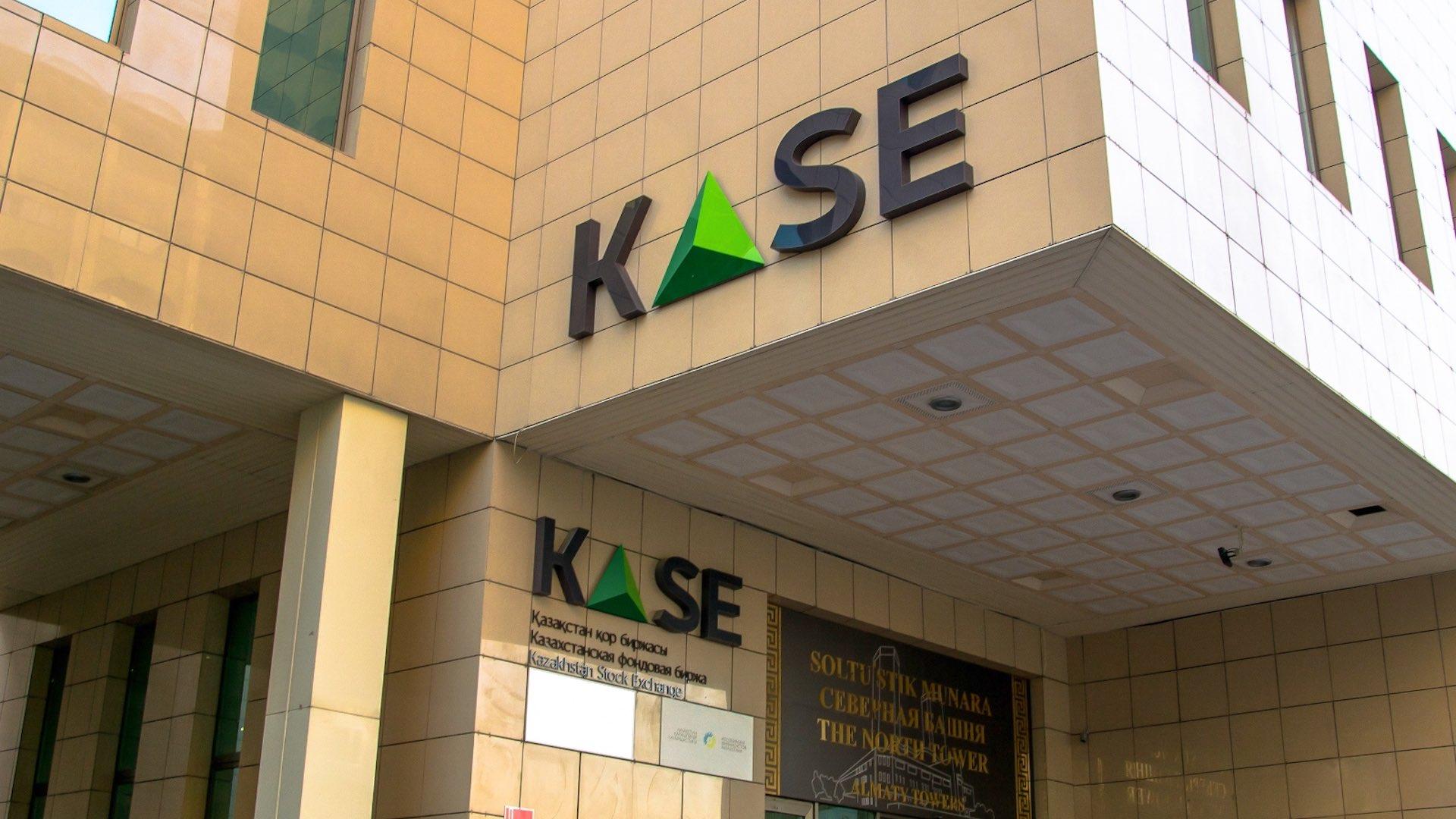
Kazakhstan is working with the World Bank and the International Finance Corporation (IFC) to prepare medium-sized and large private companies for stock market listings. The initiative aims to expand financing options beyond bank loans and increase the role of private businesses in the country’s capital market.
The Agency for Regulation and Development of the Financial Market of Kazakhstan (ARDFM) is working with the World Bank and IFC to prepare private companies for initial public offerings (IPOs). The names of the companies that may participate, the expected listing dates and the amount of capital they could raise have not yet been disclosed. The initiative is currently at the preparation stage.
One of the challenges facing Kazakhstan’s capital market is the limited supply of shares and corporate bonds issued by private companies. Many businesses still rely primarily on bank loans to finance their expansion.
An IPO is the first public offering of a company’s shares to investors. Through an IPO, a business can raise capital to expand its operations, finance new projects, increase production capacity or reduce its debt burden.
Unlike a bank loan, capital raised by issuing shares generally does not have to be repaid. However, existing owners may see their ownership stakes diluted if the company issues new shares or sells part of its existing shareholding to public investors.
According to the market regulator’s approach, Kazakhstan already has the necessary infrastructure and regulatory mechanisms to support capital market development. The next step is to encourage more private companies to use these opportunities.
Listing on a stock exchange can provide businesses with several advantages. First, it allows companies to diversify their financing sources. This may reduce their dependence on bank loans and exposure to borrowing costs. Second, becoming a publicly listed company generally requires higher standards of financial reporting, corporate governance and disclosure. These requirements can help investors assess a company’s financial position and business performance more effectively.
Third, publicly traded shares can give existing shareholders an opportunity to sell part of their holdings. However, preparing for an IPO also involves costs related to auditing, legal services, investment banking and corporate governance. Cooperation with international financial institutions could therefore help companies navigate the listing process and align their operations with international standards.
The entry of private companies into the stock market could create new investment opportunities. Investors would have access to a broader range of businesses across different industries, rather than being limited primarily to securities issued by state-owned or quasi-state enterprises.
An increase in the number of listed companies could also diversify the market. However, the number of IPOs alone will not determine the initiative’s success. Shares must also attract sufficient demand and trade actively on the secondary market, while companies need to maintain transparent reporting and protect investor rights.
As part of its broader capital market development efforts, the ARDFM is also considering measures to make corporate bond financing more attractive. Other areas under discussion include expanding the participation of private asset management companies in managing pension assets and strengthening links with international settlement infrastructure. A planned connection with Euroclear is expected to make it easier for foreign investors to access Kazakhstan’s financial instruments.
The initiative’s success will depend not only on how many companies go public, but also on investor demand, the liquidity of listed shares and how effectively businesses use the capital they raise.
The participating companies and listing timelines have not yet been announced. Further official decisions and IPO plans will be needed to assess the scale and potential impact of the initiative.
For Kazakhstan, the broader objective is to develop the stock market into more than a platform for securities trading — making it an important source of long-term financing for private businesses.