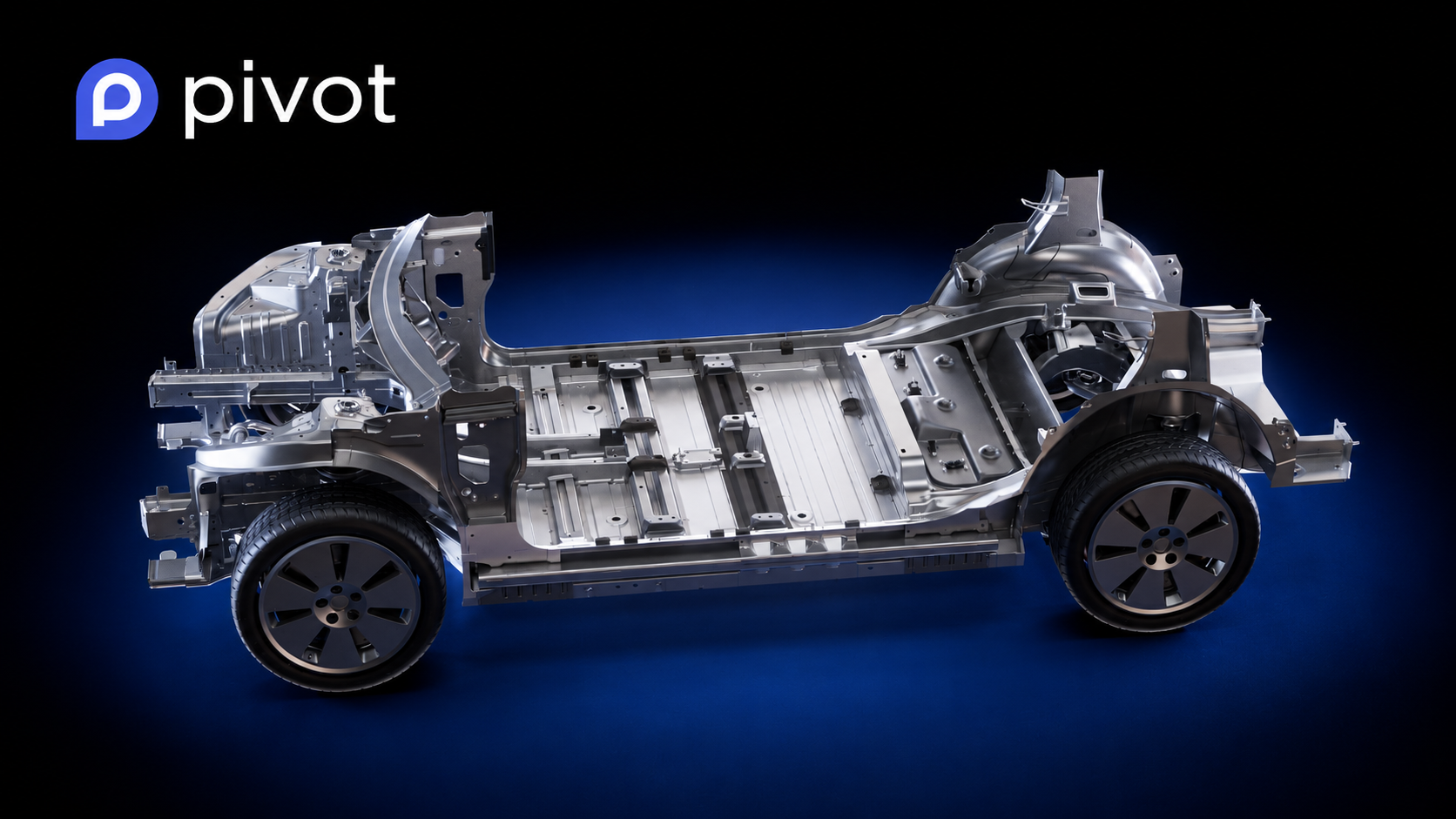
General Motors (GM) has announced its fourth-generation electric vehicle (EV) platform, introducing a new battery chemistry, redesigned electric drive units and an updated computing architecture. The platform is designed to improve energy efficiency, reduce manufacturing complexity and make electric vehicles more accessible to a wider range of buyers.
Announced on October 21, 2026, as part of GM Forward, the initiative brings together several technologies intended to improve both vehicle performance and the process of developing and manufacturing electric cars.
New battery technology aims to improve range and affordability
A central component of the platform is lithium manganese-rich (LMR) battery technology. GM says the new battery chemistry is designed to deliver 33% greater energy density than lithium iron phosphate (LFP) batteries, a widely used option in more affordable electric vehicles, at a comparable cost.
Higher energy density means a battery can store more energy relative to its size or weight. This could allow manufacturers to develop smaller and lighter battery packs without sacrificing driving range.
GM plans to use prismatic LMR battery cells produced by Ultium Cells, its joint venture with LG Energy Solution, at a facility in Spring Hill, Tennessee.
According to the company, the combination of the new batteries, redesigned electric drive units and improved aerodynamics is expected to deliver approximately 20% more driving range per kilowatt-hour of energy compared with its current vehicles.
Fewer components and a simpler electrical system
GM is also redesigning the systems responsible for powering its electric vehicles. The company’s new electric drive units and power electronics are expected to reduce the number of components inside each drive unit by 40%.
The smaller and lighter systems could free up additional space for passengers and cargo while helping lower production costs.
The platform will also introduce a new electrical and computing architecture with 30% less wiring than GM’s current electric vehicles. By reducing the complexity of the electrical system, the company aims to simplify vehicle assembly and create a more flexible foundation for future software updates.
Computing power for software and AI-enabled features
Another major change is the introduction of a more centralized computing architecture. GM says the new system will provide 40 times more processing power for AI-enabled features compared with its current EV architecture.
The increased computing capacity is intended to support more responsive displays and voice controls, smarter energy management, software updates delivered remotely and continued improvements to driver-assistance technologies such as Super Cruise and connected services including OnStar.
The architecture is part of GM’s broader effort to integrate computing and software more deeply into its vehicles. The company has also outlined plans to extend its next-generation electrical and computing technology to selected vehicles beyond its electric lineup.
Digital development could shorten production timelines
The changes extend beyond the vehicles themselves. GM is revising how its engineering, design and manufacturing teams work together, allowing them to evaluate different solutions simultaneously rather than completing each stage in sequence.
The company says it used computer modeling to assess more than 300,000 battery designs before producing a physical prototype for its LMR development work. This approach helped the team move from an initial battery-pack concept to formal program approval in one month.
GM aims to reduce the traditional vehicle development timeline, which can take around five years, by half through this approach.
The company is also using digital models to test manufacturing processes, equipment placement and workplace safety considerations before installing new production hardware. Its PlantBrAIn factory intelligence platform combines factory-floor data with computer models to help improve manufacturing operations. GM says a similar approach has already helped its battery-pack assembly facilities complete the process 30% faster.