

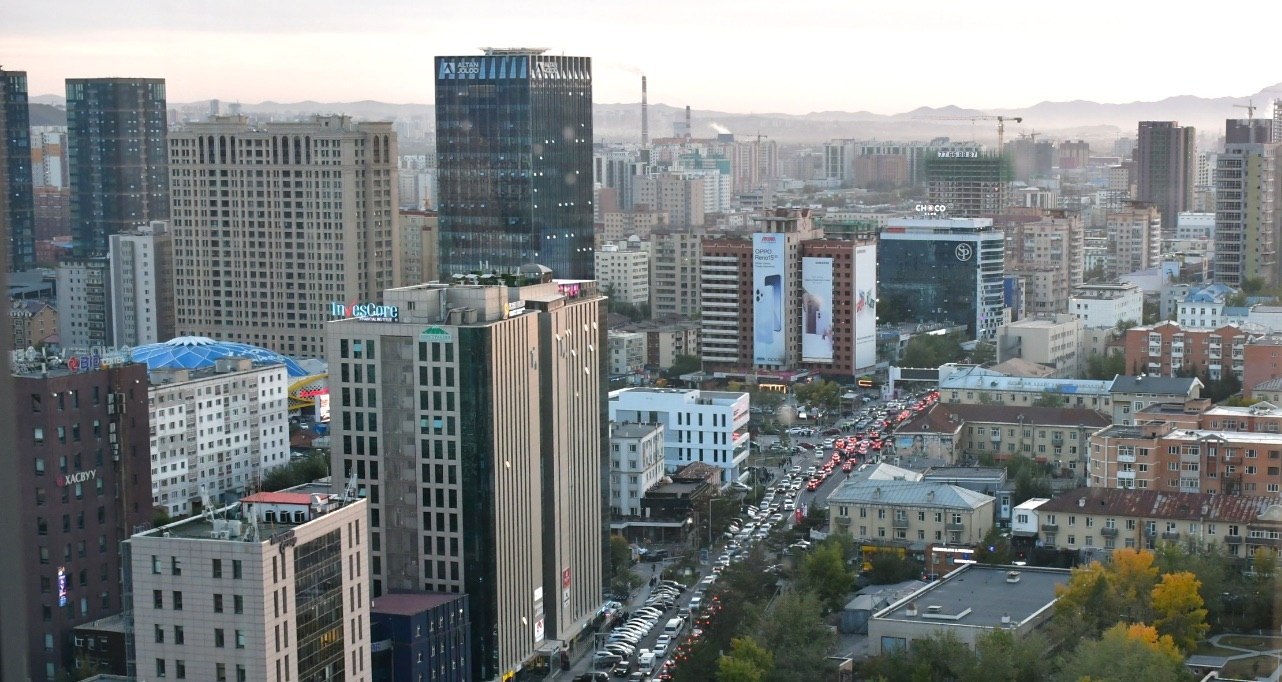
The European Bank for Reconstruction and Development (EBRD) expects Central Asia and Mongolia to record economic growth of 5.8% in 2026, followed by 5.3% in 2027. However, rising energy prices, disruptions to fuel supplies and growing water scarcity remain key risks to the region’s economic outlook.
According to the bank’s latest Regional Economic Prospects report, economic activity across Central Asia and Mongolia grew by 5.9% year-on-year in the first half of 2026. Strong domestic demand, investment, construction and manufacturing have supported regional growth.
Uzbekistan’s economy is projected to grow by 7.5% in 2026. The EBRD reported that the country’s GDP expanded by 8.5% year-on-year in the first half of the year, driven primarily by services and manufacturing, alongside investment in manufacturing, construction and agriculture. Growth is forecast to moderate to 6% in 2027.
The outlook is less robust for some of the region’s other economies. Kazakhstan’s GDP is projected to grow by 4.7% in 2026 and 4.5% in 2027, while the Kyrgyz Republic is forecast to expand by 8.7% and 7%, respectively.
Energy and water pose growing challenges
The EBRD warns that higher global energy prices and disruptions to Russian fuel supplies could weigh on economic activity across the region. Weaker demand from major trading partners and lower commodity prices also pose risks.
Water scarcity is another growing concern. Agriculture and energy production across Central Asia depend heavily on water resources, while inefficient irrigation and rising demand place additional pressure on supplies. Kazakhstan, for example, receives more than 44% of the river flow feeding its waterways from outside its borders, highlighting the importance of cross-border water cooperation.
The bank’s September 2026 report, Running Dry, also highlights how water shortages, extreme weather and tighter financing conditions can increase economic pressure.
Despite these risks, the EBRD expects Central Asia and Mongolia to remain among its fastest-growing regions in 2026 and 2027. The region’s ability to sustain growth will depend on domestic demand, energy security, water management and resilience to external shocks.








