As artificial intelligence makes it easier to produce videos and series, questions surrounding the use of actors’ faces, voices and movements are becoming increasingly important. The vertical microdrama industry is exploring AI as a way to create content faster and at lower cost. At the same time, the technology raises concerns about digital replicas being used without performers’ consent.
An Actress Discovers an AI Version of Herself
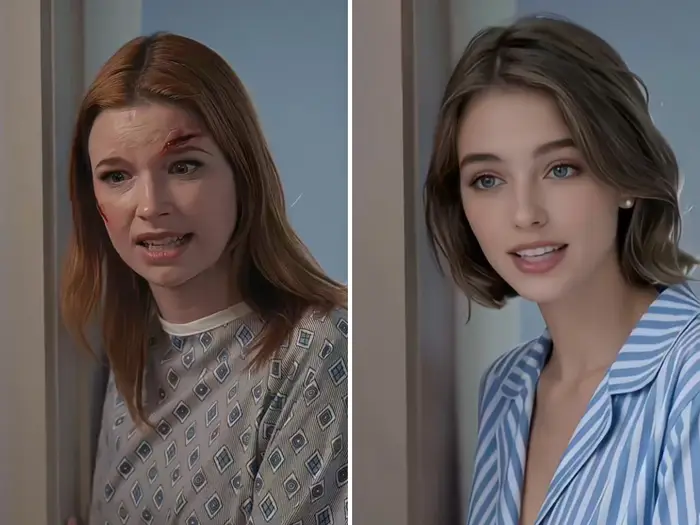
Actress Ashley BeLoat reportedly discovered a new microdrama several months after starring in a vertical series with the same storyline. However, instead of seeing herself on screen, she found an AI-generated character resembling her.
According to reports, the digital version appeared younger and wore more revealing clothing. Its voice and movements were also strikingly similar to BeLoat’s.
The actress requested that the remake be removed or that compensation be paid. According to the account, she had not received a response at the time of publication.
The incident raises an important question about AI-generated entertainment: can a person’s face, voice and distinctive movements be used in another production without their permission?
Why Microdrama Producers Are Turning to AI
Vertical microdramas are short-episode series designed primarily for viewing on smartphones. They often feature romance, drama and fast-moving storylines.
In this format, releasing new episodes frequently is important. Traditional production, however, requires hiring actors, preparing filming locations, coordinating crews and handling post-production — all of which can add to costs and production time.
AI tools can automate certain stages of production, generate digital characters and potentially reduce expenses. This may allow production companies to create more content within shorter periods.
However, the ability to generate a digital replica does not automatically grant the right to use an actor’s likeness or voice. Consent, permitted uses and compensation remain important considerations when working with digital replicas.
Digital Likeness Licensing Is Emerging as a Business Model
As AI-generated characters become increasingly realistic, new ways of using performers’ digital likenesses under agreed terms are also emerging.
In China, services and business models focused on licensing the rights to use people’s digital likenesses are beginning to develop. Under such arrangements, an actor may be able to authorize the use of their face, voice or digital persona in specific projects in exchange for payment.
Licensing can also benefit production companies. Instead of arranging new filming sessions for every project, they may be able to use a digital character under previously agreed conditions. The effectiveness of this model, however, depends on clear contracts, defined usage limits and adequate protection of the rights involved.
These safeguards become particularly important when a digital replica can be portrayed at a different age, dressed differently or made to behave and speak in ways that differ from the original performer.
Balancing Innovation With Performers’ Rights
AI-generated content offers new opportunities for the entertainment industry. At the same time, questions about control, consent and compensation are becoming harder to ignore.
If digital replicas become more widespread, licensing could provide actors with an additional source of income. However, unauthorized uses could also lead to more disputes between performers and content producers.
The future of AI-generated entertainment will therefore depend not only on technological progress but also on how rules governing the use of digital likenesses develop.
The central question is no longer simply whether AI can replace an actor. It is also who controls a person’s digital likeness, under what conditions it can be used and who should be paid for that use.