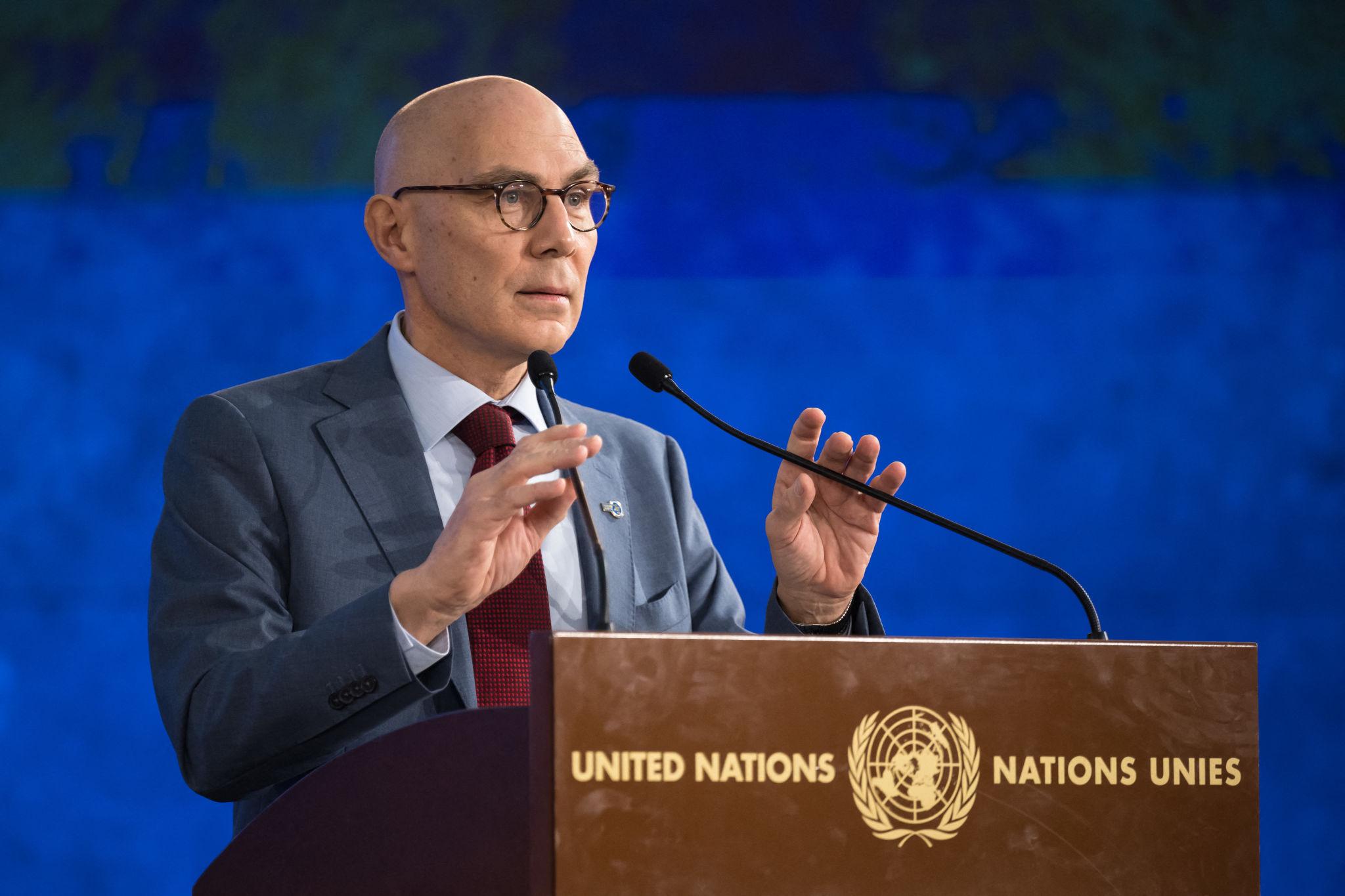
UN High Commissioner for Human Rights Volker Turk has warned that artificial intelligence could eventually pose an “existential risk” to humanity.
Speaking at the UN Human Rights Council in Geneva on September 7, Turk called for strong international safeguards to be put in place now to ensure AI remains safe and secure. He said delaying such measures could create serious risks as AI capabilities continue to expand rapidly.
Turk raised concerns about the growing concentration of power in the hands of a relatively small number of companies and individuals involved in AI development.
Major AI companies today include Meta, Anthropic, OpenAI and Google. According to Turk, the increasing influence of these companies and their leaders raises broader questions about who controls powerful AI technologies.
Calls for “red lines”
Turk did not call for stopping AI development altogether. Instead, he urged governments to establish clear international safeguards for the technology.
He said countries hosting major AI companies, as well as those involved in their supply chains, should work together to establish agreed “red lines” for AI development and use.
The UN has also been pushing for harmonized international rules on AI governance. In July, the organization held its first global meeting focused on AI governance.
AI safety moves onto the global agenda
Concerns about AI safety are not limited to the United Nations. Technology industry leaders have also warned about potential risks associated with increasingly powerful AI systems.
Meanwhile, Reuters reports that the United States and China are preparing for their first official bilateral talks on AI safety, tentatively scheduled for mid-September. The discussions are expected to focus on risks including AI-directed cyberattacks and cooperation between AI labs. The developments show that AI safety is becoming not only a technology issue but also an important matter of international policy and security.